Advertisements

Lithium Battery Fire Safety and Emergency Response

Advertisements
Lithium Battery Safety: thermal runaway, fire prevention, emergency response, charging risks and safe handling
1
1/5
(64) Ratings
0 students
Created by Sultana Akther
Advertisements

What you'll learn

  • Identify common lithium battery fire hazards, warning signs, and unsafe battery conditions.
  • Explain thermal runaway and understand how lithium battery incidents can develop and escalate.
  • Recognise the fire, smoke, toxic gas, and re-ignition risks associated with lithium battery incidents.
  • Apply basic fire prevention principles for battery charging, storage, inspection, handling, and disposal.
  • Understand the role of Battery Management Systems (BMS) and Energy Storage Systems (ESS) in battery safety.
  • Recognise appropriate emergency actions, including alarm raising, evacuation, isolation, and establishing safe areas.
  • Understand the risks associated with damaged, swollen, defective, or overheating batteries and electric vehicle charging.
  • Identify situations where firefighting should not be attempted and understand the importance of emergency planning and post-incident controls.
This course includes:
2 total hours on-demand video
0 articles
0 downloadable resources
5 lessons
Full lifetime access
Access on mobile and TV
Certificate of completion
Advertisements

Course content

Requirements

  • No previous lithium battery fire safety experience is required.
  • A basic understanding of workplace health and safety is helpful but not essential.
  • Learners should be able to understand spoken and written English.
  • No specialist equipment is required to complete the course.

Description

This course contains the use of artificial intelligence.

Lithium batteries are part of everyday life—but when something goes wrong, the consequences can develop quickly. Do you know what to look for before a battery becomes a serious fire hazard?

This Lithium Battery Fire Safety and Emergency Response course provides practical knowledge for recognising battery-related hazards, understanding thermal runaway, and responding appropriately to lithium battery fire incidents.

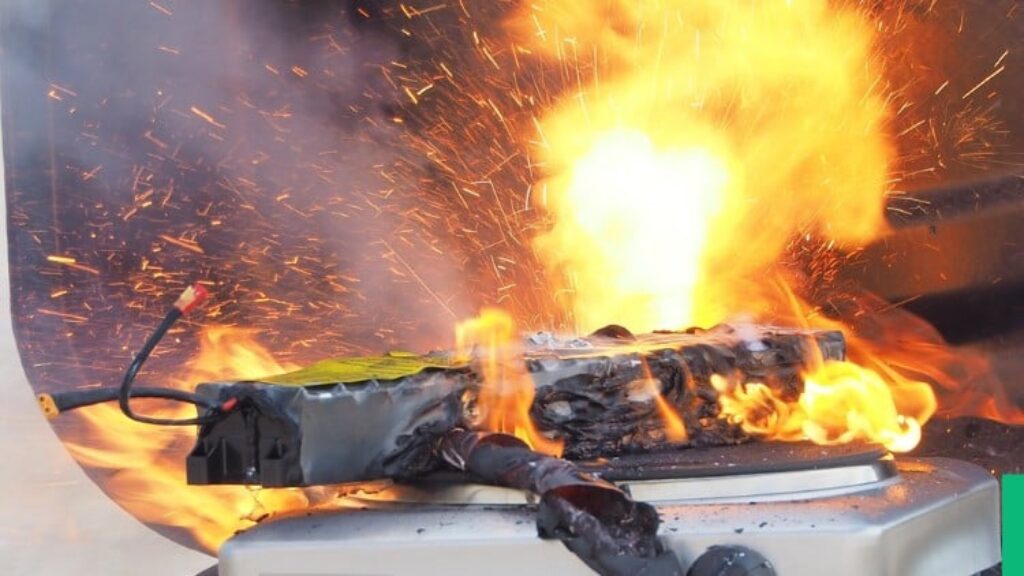
You will learn how lithium batteries can become damaged or unstable, why thermal runaway is dangerous, and how warning signs such as overheating, swelling, unusual smells, venting, smoke, or abnormal battery behaviour should be treated seriously.

The course explores important fire prevention measures, including safe charging practices, battery inspection, storage, handling, damaged or defective batteries, battery disposal, and the management of charging areas. You will also learn about the risks associated with lithium battery incidents in workplaces and healthcare environments.

Emergency response is another key part of the course. You will learn how to recognise an escalating battery incident, protect people, raise the alarm, establish safe areas, support evacuation, and understand when firefighting should not be attempted. The course also discusses toxic gases, smoke hazards, re-ignition, cooling, isolation, battery state of charge, and the importance of emergency planning.

Special attention is given to Battery Management Systems (BMS), Energy Storage Systems (ESS), electric vehicle charging, defective or swollen batteries, and lithium battery risks in healthcare settings.

Whether you work in a workplace, healthcare facility, charging area, warehouse, or another environment where lithium batteries are used, this course will help you develop a stronger understanding of battery fire prevention and emergency response.

Recognise the warning signs. Control the risks. Protect people first.

Who this course is for:

  • Employees and supervisors who work with or around lithium batteries.
  • Health and safety professionals responsible for workplace fire prevention and emergency preparedness.
  • Healthcare staff working in environments where lithium batteries, medical devices, or charging equipment are present.
  • Workers responsible for battery charging, storage, inspection, handling, or disposal.
  • Anyone who wants to improve their understanding of lithium battery fire hazards and emergency response.
Advertisements
BATTERY-SAFE
Advertisements
Advertisements
Free Online Courses with Certificates
Logo
Register New Account