
Advertisements

The Truth About the U.S.–Iran War

Advertisements
Understand the power, psychology, alliances, energy risks, and strategic realities shaping the U.S.–Iran conflict.
5
5/5
(5) Ratings
24 students
Created by Dr. Law Payne
Advertisements

What you'll learn

  • Analyze the political, psychological, military, and economic forces driving the U.S.–Iran conflict.
  • Distinguish tactical military success from strategic victory and long-term political outcomes.
  • Explain how the Strait of Hormuz connects regional conflict to global energy markets and economic stability.
  • Evaluate how national interests, private priorities, and political pressure influence international alliances.
  • Compare how the United States, Iran, Gulf states, and other major actors define victory and security.
  • Assess geopolitical claims using evidence, competing perspectives, and systems-based analysis.
  • Identify potential escalation pathways, diplomatic exit ramps, and unintended consequences of military pressure.
This course includes:
1.5 total hours on-demand video
0 articles
0 downloadable resources
5 lessons
Full lifetime access
Access on mobile and TV
Certificate of completion
Advertisements

Course content

Requirements

  • No previous knowledge of international relations, political science, or military strategy is required.
  • Students only need curiosity, an open mind, and a willingness to evaluate competing perspectives.
  • Access to a computer, tablet, or mobile device with a reliable internet connection is recommended.

Description

This course contains the use of artificial intelligence.

The conflict between the United States and Iran cannot be understood through headlines, military strikes, or political personalities alone. Beneath the visible confrontation lies a deeper struggle involving deterrence, regional influence, national identity, energy security, economic pressure, geography, and competing definitions of victory.

In this five-lecture course, Professor Law guides you beyond surface-level reporting to examine the systems and strategic forces shaping the U.S.–Iran conflict. You will explore how leadership decisions, institutional interests, political psychology, military capabilities, alliances, and global markets interact.

The course begins by examining the war beneath the war—the deeper contest over security, legitimacy, and regional power. You will then investigate the Gulf states and the uncomfortable gap between their appearance of safety and their actual vulnerability.

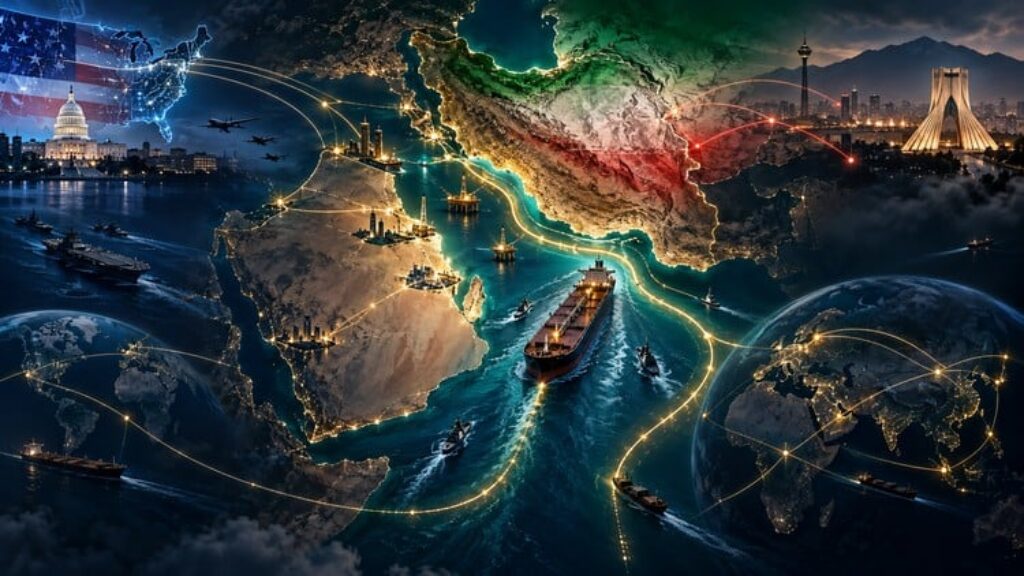
You will explore the strategic importance of the Strait of Hormuz and learn why this narrow maritime passage can influence global energy prices, shipping costs, national economies, and everyday life. You will also examine how alliances respond under pressure and why public commitments do not always reflect private interests.

Finally, the course confronts its central question: What would winning this conflict actually mean, and is a durable victory possible?

Through maps, scenarios, historical context, visual explanations, and competing perspectives, you will learn to:

  • Separate tactical success from strategic victory.

  • Distinguish public messaging from underlying interests.

  • Analyze the interests and leverage of major regional actors.

  • Evaluate geopolitical claims using evidence instead of emotion.

  • Identify possible escalation pathways and diplomatic exit ramps.

No previous knowledge of international relations or military strategy is required. This course is designed for students, educators, professionals, and curious learners who want a clearer and more critical understanding of one of the world’s most consequential geopolitical conflicts.


Who this course is for:

  • Students seeking a clear introduction to the political, economic, and strategic dimensions of the U.S.–Iran conflict.
  • Educators and researchers interested in geopolitics, international relations, leadership, and systems thinking.
  • Professionals who want to understand how regional conflict affects energy markets, alliances, and the global economy.
  • News viewers and curious learners who want to move beyond headlines and evaluate geopolitical claims critically.
  • Leaders and decision-makers interested in deterrence, strategic influence, negotiation, and unintended consequences.
Advertisements
FREE
Advertisements
Advertisements
Free Online Courses with Certificates
Logo
Register New Account