This course contains the use of artificial intelligence.
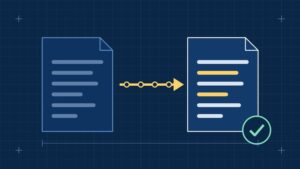
ISO 14001:2026 was published in April 2026. If your organization holds an ISO 14001:2015 certificate, you have a transition to run before 30 April 2029. This course shows you what changed, what did not, and what to do about it in your own system.
Honest about what is confirmed. Many articles about the new edition disagree, and some describe requirements that no published source supports. In this course, every change is marked as confirmed, when the public sources agree, or reported, when they disagree on the detail. Reported changes come with a clear instruction: check them in your own copy before you act. We also name the myths, such as AI monitoring, mandatory site surveys and the wrong deadline, so you do not spend budget on work nobody asked for.
What the course covers
- How to read the 2026 edition: what moved, what was widened, and how Annex A helps
- Environmental conditions in clause 4.1: climate, biodiversity, pollution, resources and ecosystem health
- Risks and opportunities in their own subclause, and the one new clause: planning of changes, 6.3
- Externally provided processes, products and services in clause 8.1, and how to size supplier control
- Audit objectives, the new management review structure, and the changes in clause 10
- The Global ACI transition rules and dates, a gap analysis method, the transition audit and a 90-day roadmap
One company from start to finish. We follow TerraForge Industries, a machining and coating company with three sites in Austria and Slovakia, through its own transition: its conditions grid, its gap register, its change records, its supplier screening and its transition audit.
What you get
- 28 short video lectures with captions, about 2 hours 45 minutes in total
- Six section quizzes and a 30-question practice test with explanations
- One assignment with a worked solution: a gap analysis on eight TerraForge extracts and a one-page change procedure
- Five downloads: a change map, a gap register, a change review form, a supplier control matrix and a transition plan with an audit-evidence checklist
What this course is not. It is not an introduction to ISO 14001. We assume you know the 2015 edition or work in a system built on it. The course does not reproduce the text of the standard: we cite clause numbers and explain each requirement in our own words, so a copy of ISO 14001:2026 is useful next to the lectures.
By the end, you can explain each change to top management, run the gap analysis with your process owners, update only the documents that need it, and show an auditor convincing evidence.