
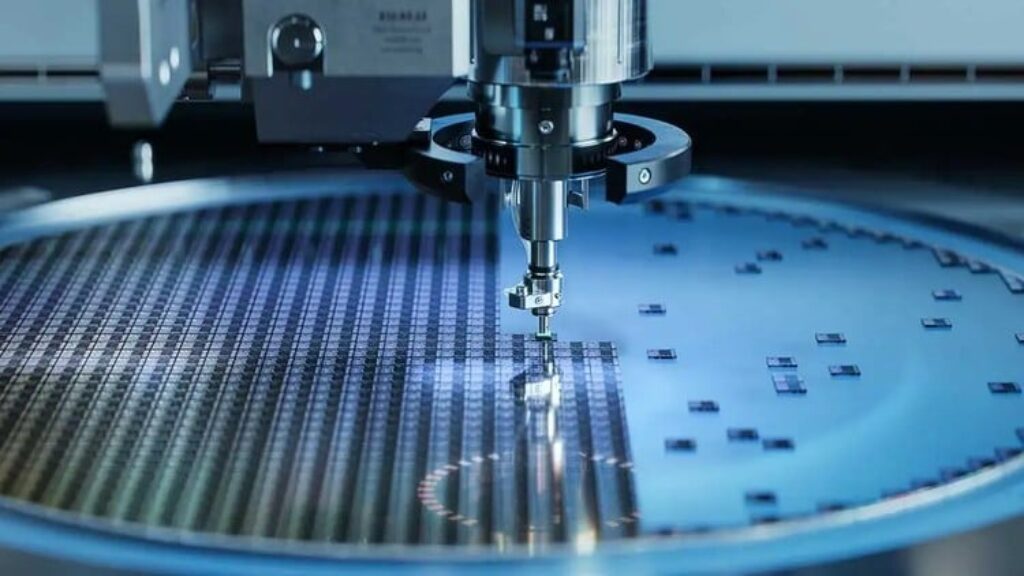
This course explores the industrial reality of bringing Microelectromechanical Systems (MEMS) from a theoretical design to a commercial product. Divided into five sections, it provides a comprehensive overview of the materials, microfabrication strategies, and packaging constraints that define the global MEMS industry.
The first and second sections establish the MEMS Materials and Process Landscape. Students will compare traditional silicon-based fabrication with emerging polymers, ceramics, and carbon MEMS. We dive deep into core microfabrication processes—including photolithography, thin-film deposition (CVD/PVD), and the Deal–Grove model of oxidation—to understand how chemical and physical layers are grown and patterned at the micro-scale.
The third and fourth sections focus on Micromachining Strategies, contrasting bulk micromachining with surface micromachining flows. Students will analyze the specific layer stacks, sacrificial release techniques, and design rules required to ensure functional yield in a multi-user foundry environment. This introduces High-Aspect-Ratio MEMS, focusing on the LIGA process. Students will explore the use of X-ray lithography and electroforming to create robust, deep micro-structures that traditional silicon etching cannot achieve. We also examine UV-LIGA (SU-8) as a cost-effective alternative for high-performance micro-mechanical components.
The final section addresses the “Reality” of the industry: Packaging, Testing, and Reliability. This module reveals why packaging typically dominates the total cost of a MEMS device. Students will evaluate interconnection techniques like wire bonding vs. flip-chip and learn the specialized testing protocols, such as shaker tables for accelerometers and pressure chambers, necessary to validate devices that respond to physical stimuli.
By the end of this course, students will have moved beyond the “black box” of design to understand the practicalities of fabrication. You will gain the industrial perspective needed to navigate process variability, optimize yield, and deliver reliable MEMS solutions to the modern marketplace.