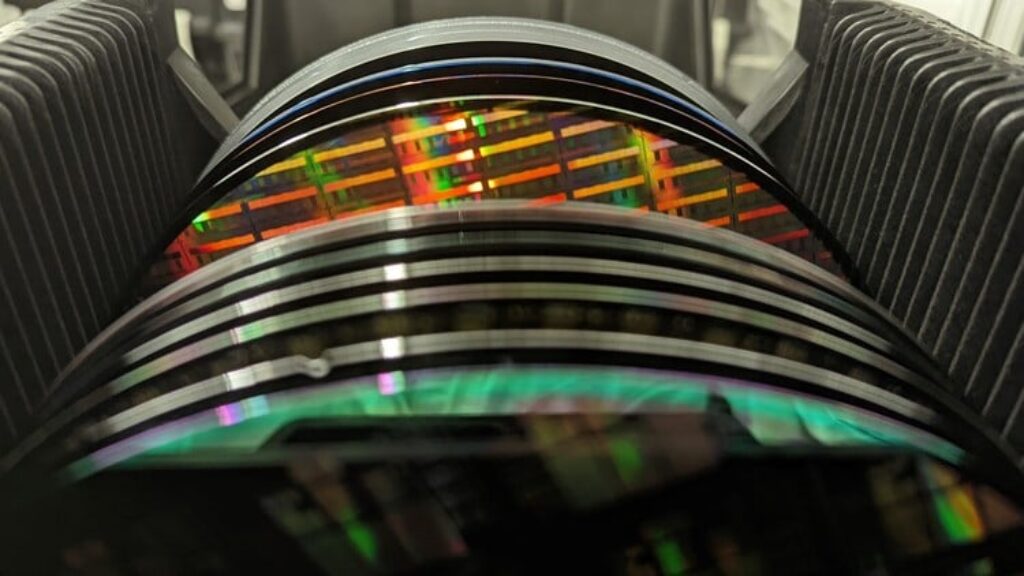
Microfabrication is used for making integrated circuits and micro sensors. These devices are used in smart phones, automotives, AI data centers, humanoid robots, and neural link probes. How are they made? what are the technical foundations that enable these to be made? how much is the cost?
This course is a survey of MEMS and microfab technology. The author has both theoretical background in academia and industrial foundry production experience.
MEMS stands for Micro Electromechanical Systems, or micromachining. Think about machine shops making metal components – now think about making them 100 times smaller using silicon, and mass producible volume production. The dramatic lowering of costs of sensors and electronics create hardware revolution.
MEMS is used everywhere – microphones, accelerometers, gyro, neuron probes, microphones, printers at home, and theater projectors. They are made in silicon in semiconductor processing steps similar to integrated circuits. In the future, MEMS will be used for robotics, cars, transportation, and smart IoT devices.
In this class you will understand how people made MEMS devices – the fundamental sensors found in all modern electronics and phones. We will discuss
– semiconductor materials and their electronics properties
– mechanical properties of semiconductor materials and thin films
– fundamental processing technology of wafers
– basics of mechanics and materials
– silicon micromachining processes
– MEMS foundry for volume production
– cleanroom processing and cost
Prof. Chang Liu is a fellow of IEEE in the field of MEMS. He has extensive experience in academic and industry. He has also built products and entrepreneurial merchandise in both USA and China. Dr. Liu has a PhD degree from Electrical Engineering of the California Institute of Technology in Pasadena, CA. He is an expert of MEMS bioinspired sensors.