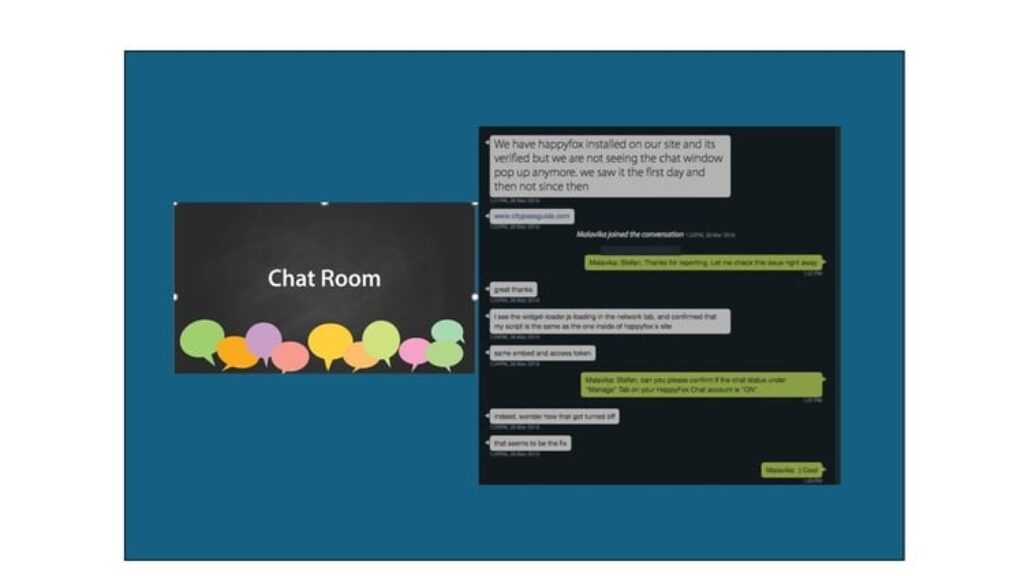
After publishing my first course “Introduction to RCS”, this course is the next in the series of Advanced courses on RCS. Ultimate objective of this course is to make the students understand how a chat or group chat session is setup with signaling control flows resulting in the setup of transport path that carry the messages from one subscriber to others who are part of the chat session.
We shall go through following agenda and information flow and discuss end to end call flows for chat sessions towards the end of the course.
-
Discuss in which scenarios, the RCS client on your phone gets Auto Configured and what particular parameters related to RCS get set on the client to provide you RCS services.
-
As we saw that RCS is completely based on IMS Network, we shall look at all functional elements that are part of IMS architecture. Then we shall see the Call Flow diagrams of how RCS client gets registered to IMS network and get associated to the Messaging Application Server.
-
Since RCS sessions are setup between two subscribers only when both support RCS and are IMS Registered, we need to understand what in the network gives us this functionality to check the Capabilities of other subscribers. That is where we shall go in more details of functionality of Presence Server. We shall see both Publication and Retrievals of capabilities of different subscribers.
-
Then we shall see the functions of a Messaging Server and the Message Store that control the logic of these RCS functions.
-
We cannot appreciate the end-to-end call flows for Chat Sessions without seeing how exactly the Messaging Transport Path based on MSRP Protocol is setup. We shall see the functionality of another element here called PCRF (Policy and Charging Rule Functions) that controls the QOS that has to be satisfied for this messaging transport path.
-
Our intent is to always setup end to end RCS connections when two or more subscribers are intending to Chat. But as we discussed in Introduction to RCS course about the Challenges and Obstacles facing RCS adaptation, for quite some time we may not see end to end RCS penetration. So, RCS standards have defined other means of sending the information between participants if the receiving entity or the network is not supporting RCS. This is where we shall discuss Standalone Messaging which is Pager Mode and Large Message Mode. This also gives more real time experience to end users till we see full adaptation of RCS on all handsets.
-
After building this much understanding of all functional blocks, we shall tie them together to go in detailed Call Flows to setup a 1 to 1 chat session between two subscribers of the same Service Provider.
-
Finally, we shall extend this Chat concept to 1 to N Group Chat sessions.
-
Once the chat sessions are well understood, our next topic will be to see how we are able to send small or large files of different types on these chat sessions and also how do we communicate with Applications and Chatbots. That will be my next upcoming course “RCS File Transfers and Chatbot Communication”. Stay tuned for that.
-
To make sure that we keep the course length to an optimum duration, in this course, I will limit the scenarios of Chat Sessions between subscribers of same Service Provider. If we add subscribers of different service providers in the chat session, it adds another level of complexity that will be the topic of advanced course solely Dedicated to “RCS Interoperability using NNI”. Stay tuned for that upcoming course.