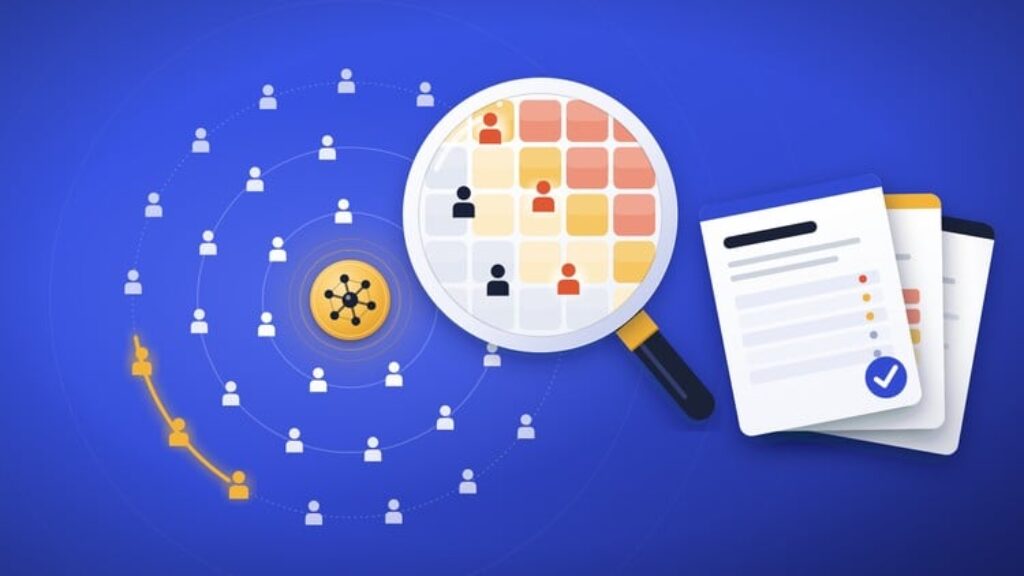
Learn to assess an AI system’s impact, document the evidence and prepare a recommendation that decision-makers can act on.
An AI system can perform well on technical tests while creating problems for the people affected by its outputs. A recruitment tool might process applications quickly, yet overlook suitable candidates, penalise employment gaps or produce rankings that recruiters struggle to explain. Understanding these consequences is an essential part of responsible AI governance.
AI Impact Assessment: ISO 42005 with Practical Templates introduces a structured approach to identifying, evaluating and documenting these impacts. You will learn how to apply the guidance in ISO/IEC 42005:2025 through a worked recruitment case, practical explanations and editable resources.
Across approximately 90 minutes, the course follows an assessment from the initial system description through to safeguards, reporting and an organisational review decision. It is designed for beginners and professionals developing their knowledge of AI risk, compliance and governance. No programming experience is required.
You will also explore how AI impact assessment connects with ISO/IEC 42001, organisational AI risk management and data protection impact assessments, helping you understand where the work fits within an organisation’s wider governance processes.
Follow one case from the first questions to the final recommendation.
The course centres on a fictional care provider considering an AI system to screen job applications. The system scores candidates, places them into recommendation bands and proposes automatic rejection below a threshold.
The organisation wants to reduce recruitment delays. However, early evidence raises questions about employment gaps, historical hiring decisions, transparency, human oversight and the vendor’s handling of applicant information.
As the assessment develops, you will examine what the organisation knows, what it assumes and what still needs investigation. You will consider how the system could affect applicants, recruiters, hiring managers and other stakeholders, then connect those impacts to appropriate safeguards and review decisions.
Using one continuous case makes it easier to see how the assessment documents relate to each other. A concern identified during stakeholder mapping becomes an entry in the impact register, informs prioritisation and safeguards, and eventually appears in the report presented to decision-makers.
Build the skills needed to conduct and document an assessment.
By the end of the course, you should be able to:
-
Explain the purpose of ISO/IEC 42005 and its relationship with ISO/IEC 42001.
-
Define an AI system’s purpose, assessment scope, intended use and deployment context.
-
Identify stakeholders and potentially affected individuals or groups, including those who may otherwise be overlooked.
-
Identify potential benefits and harms, including direct and indirect impacts.
-
Examine concerns involving fairness, privacy, transparency, explainability, human oversight and accountability.
-
Distinguish evidence from assumptions and record uncertainties that require further investigation.
-
Apply an illustrative likelihood-and-severity scoring method while recognising its limitations.
-
Develop safeguards with clear responsibilities and consider how they affect the remaining risk.
-
Prepare an AI impact assessment report that explains findings, outstanding questions and recommended actions.
-
Recognise when changes to a system, its use or its operating environment require the assessment to be revisited.
The scoring scales, priority bands and worked examples are clearly identified as illustrative teaching tools. This helps you understand the method while recognising that an organisation must select and justify an approach appropriate to its own circumstances.
Use practical templates to organise your work.
The course includes six downloadable resources:
-
AI System Description Template — record the system’s purpose, users, inputs, outputs, deployment context and assessment boundaries.
-
Stakeholder Mapping Matrix — identify affected groups, their interests and the evidence or consultation needed.
-
AI Impact Assessment Register — organise impacts, supporting evidence, uncertainties, safeguards and reassessment considerations.
-
Risk and Impact Scoring Worksheet — work through illustrative scales and prioritisation using formulas, guidance and a heat map.
-
AI Impact Assessment Report Template — bring the assessment together in a format suitable for organisational review.
-
Completed Worked Example Package — review how the resources are populated and connected within the fictional case.
The resources are original teaching materials that you can adapt to support your own assessment work. The completed examples provide a reference for understanding how a documented assessment develops.
Understand how findings lead to decisions.
A useful assessment needs to explain what should happen next. Throughout the course, you will connect the evidence to practical questions: which concerns require investigation, which safeguards are appropriate, who should be responsible, and what conditions should be satisfied before a system proceeds?
The final workshop traces a significant impact through the assessment documents and into an approval discussion. You will consider how the available evidence supports a recommendation, what remains unresolved and what additional findings could change the decision.
You will also examine common mistakes, including treating agreement with historical decisions as proof of fairness, assigning scores without a clear rationale, overlooking affected groups and assuming that an assessment remains valid after the system changes.
This course is particularly relevant to risk and compliance professionals, privacy and data protection practitioners, governance teams, HR professionals, project managers, product owners and consultants who need to contribute to or review an AI impact assessment.
You can approach it with a general interest in responsible AI or with a specific system you need to assess. The explanations introduce the concepts, while the case study and templates show how to organise the work.
By the end, you will have a clearer process for moving from questions about an AI system to a documented assessment, supported by reusable templates and a complete worked example.